
VIDEO
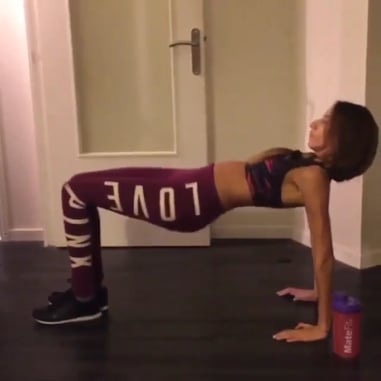
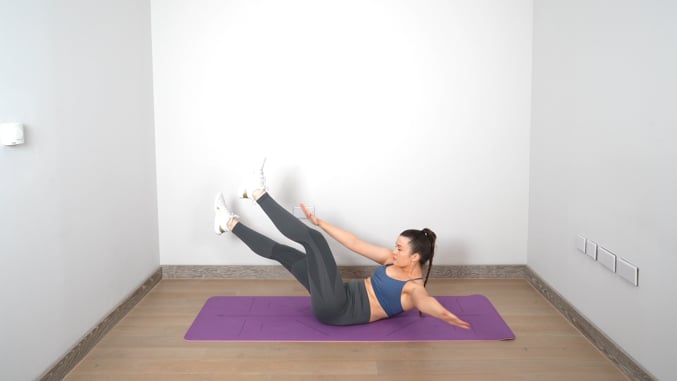
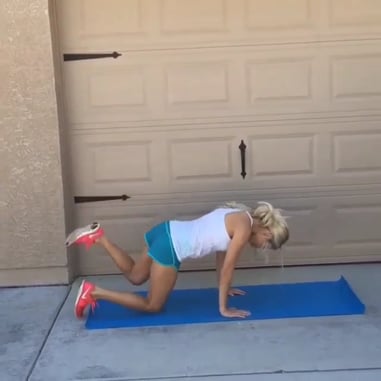
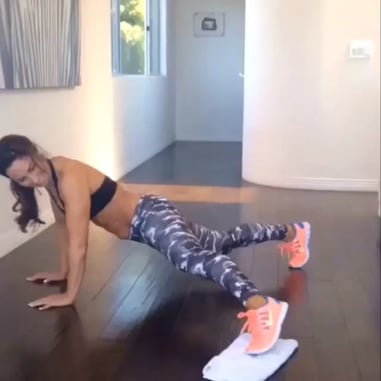
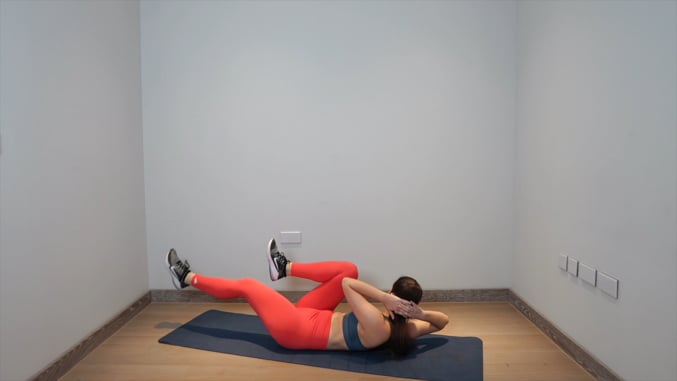
Bicycle, Glute Bridge, Plank Knee to Elbow
1. Pull your shoulder blades back and slowly raise your knee to about 90 degree angle lifting your feet from the floor. Exhale and slowly bring one knee towards your elbow and straightening the other leg at the same time. Keep both feet elevated higher that your hips. 2. Get into a bridge-position. Start moving your gluteus up and down in a smooth and slow tempo. 3. Lay face down on a fitness mat. Push yourself up into a plank position. Keeping your core tight and back flat, bring your right knee to your left elbow. Make a pause for a second then slowly get back to the starting position.
save to ...
RECOMMENDED FOR YOU
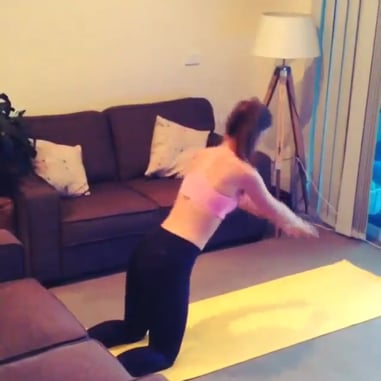
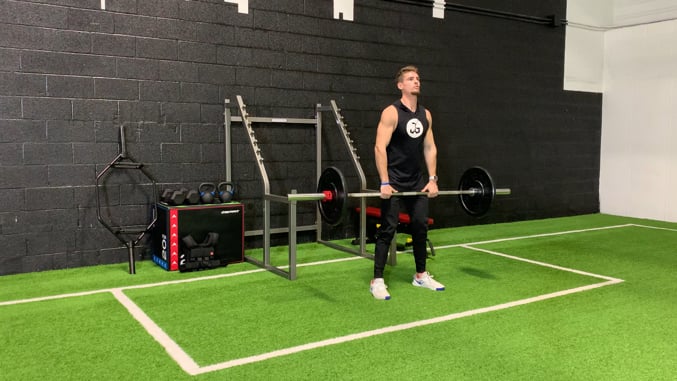
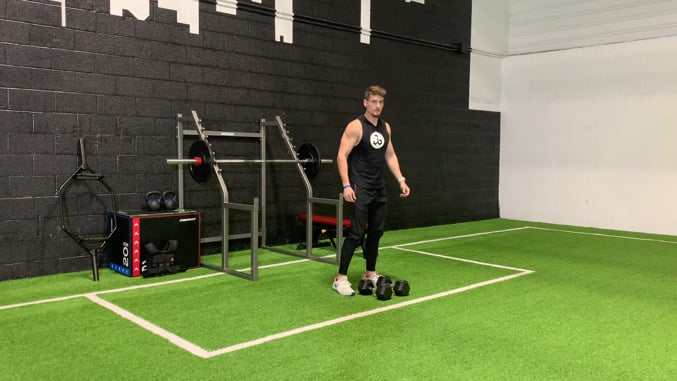
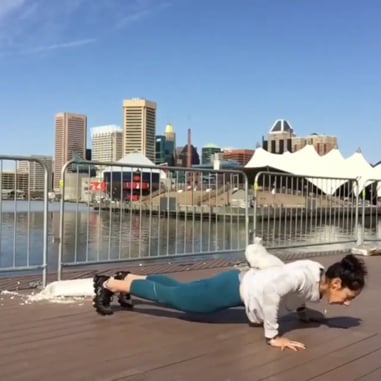



Blog
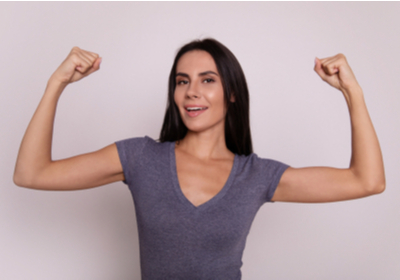
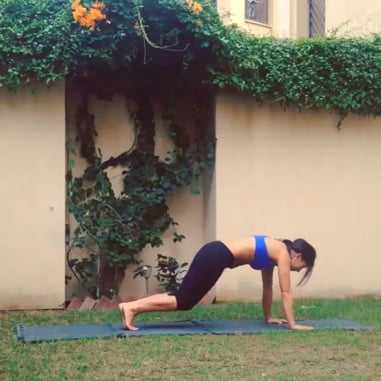
Fit and strong arms is the goal of every fitness enthusiast. The thing is our arms are always the center of attention because it’s pretty difficult to hide them under clothes throughout most of the year. So how to make sure your arms look good in any clothes? Well, this is exactly what we’re going to talk about in this article. So without any further ado, let us begin.
Do Not Expect Immediate Results
Most people believe that a month of exercising is enough to see drastic results and therefore if they don’t see any progress, they simply give up. Of course, it’s not the best strategy. In fact, you shouldn’t expect immediate results. You have to move towards your goal gradually and patiently. The thing is, because of our anatomy, growing arm muscles is pretty challenging, especially if you want to get rid of the fat in the triceps area. So take baby steps and do not give up if you don’t see the result after just a few weeks of training.
Always Warm Up before Training
Many people underestimate warming up, thinking it’s not necessary. Obviously, it is wrong. You have to warm up before doing any type of exercise to avoid injuries, especially if you do not do sport regularly. So how to warm up before an arm workout? Here are some simple warmup exercises:
Arm rotation (2-3 minutes)
Arm stretches above your head
Scissors exercise
Wrist rotation (2 minutes)
These simple exercises will help you warm up and proceed to more challenging workouts for arms.
Do Effective Exercises
Not all the exercises can actually help you achieve your goal, which is why it is important to select those workouts that actually work. We recommend the following exercises for developing arm muscles:
Lateral raise
Push-ups
Plank
Dumbbell row
Plank to push-up
Incline bicep curl
Underhand seated row
Prone dumbbell spider curl
Diamond press-up
Javelin press
These workouts will surely help you work on your arms, so make sure to find out more about them as well as try them.
Stretch After Your Workout
Stretching is extremely important for pretty much all muscle groups and arms are not an exception. It helps to relieve muscle tension as well as prevent muscle soreness. So after you are done with the strengthening exercises for your arms, make sure to stretch for at least a few minutes. You can do the following stretching exercises:
Eagle arms
Standing bicep stretch
Reverse prayer
Horizontal arm extensions
Assisted side bend
Overhead triceps and shoulder stretch
Fingers up and down stretch
Cross-body shoulder stretch
These simple stretches will surely help you reduce or even avoid muscle soreness after working out, so give them a try.
Final Thoughts
Strong and fit arms is perhaps the biggest dream of all fitness enthusiasts and not only. Luckily, regular training can help you quickly achieve this goal. So why don’t you start moving towards your dream now?
Read more
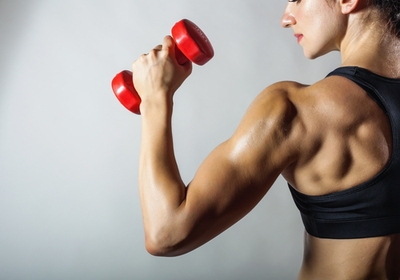
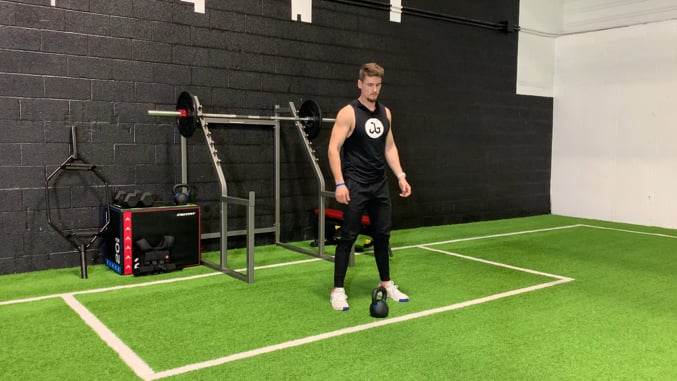
While working on their arms, many people concentrate on the biceps and completely forget about the workouts for the triceps. Of course, working on your triceps is super important since you have to develop these muscles in order to have strong and relief arms. So how to train your triceps and grow beautiful muscles? This is the question we’ll try to answer in this article.
Is It Difficult to Develop Triceps?
Many people believe that growing triceps is extremely challenging, but luckily, it’s not true. The thing is anatomically triceps are rather easy to train and eventually grow. At the same time, these muscles easily get sore after training and therefore impact your entire arm workout routine since you aren’t able to do certain exercises. In general, working on triceps is not as difficult as many people think, yet it still requires some time and effort.
How Long Does It Take To Grow Triceps?
The amount of time it takes to develop triceps depends on what you are striving for as well as what you start with. For example, if you are skinny and you just want to make your arms more fit, a few months will be enough. In case you want to grow really pronounced muscles, you might need from 6 to 12 months. At the same time, if you have some extra pounds, working on your triceps can take longer since you also have to lose weight. As you can see, every situation is different, so it’s hard to give you the precise amount of time you’ll need to grow your triceps.
How Often Should I Exercise?
To grow any muscle group as well as be healthy and fit, you need to work out at least three times a week. Of course, you need to understand that even if you try to develop triceps, you still have to work on other muscle groups, so all the muscles in your body are harmoniously developed. In general, most trainers recommend doing 4-6 exercises for triceps during your workouts. Each exercise has to be done in 2-3 sets, while the set has to have 10-15 repetitions. In addition to that, you have to keep in mind that you should start with simple workouts and gradually move towards more advanced ones to see the results of your training sessions.
Exercises for Triceps
Of course, many of you are interested in the best workouts for developing triceps muscles. Well, first of all, you can head to our video sessions and rain with our experienced coaches. Secondly, you can check out the following workouts:
Close-grip bench press
Tricep dips
Lying triceps extension
Isolated triceps extension
Cable rope tricep pushdown
JM press
Diamond push-ups
Underhand cable pushdowns
One-arm overhead extension
Dumbbell tricep extensions
Bench dip
Dumbbell floor press
Push-up
One arm kettlebell floor press
45-degree incline dumbbell chest press
Wrapping Up
Gorgeous triceps is a dream come true for any fitness enthusiast and professional athlete, so no wonder why these exercises are so popular. Head to our videos section and explore triceps workouts from our instructors.
Read more
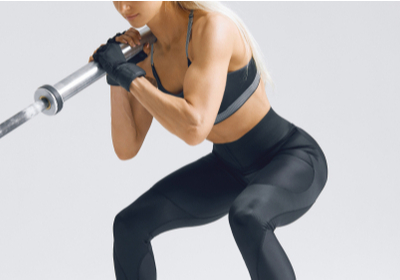
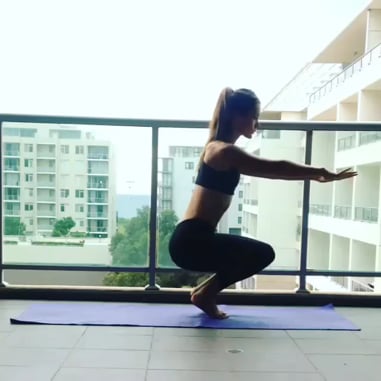
The quadriceps is a large and strong muscle that acts as the primary extensor of the knee joint. Because the knee joint carries most of the body's weight, the quadriceps is the main muscle of the lower thigh. Weakness of this muscle, in fact, would simply make it impossible for people to maintain an upright posture. Quads are made up of the four coronary muscles: the straight, inner, outer, and middle muscles. In spite of this, during various exercises, the load falls completely on this muscle. Sure, strengthening your quads is important, so let's give a quick look at a few of the best exercises for them.
Barbell and Dumbbell Lunging
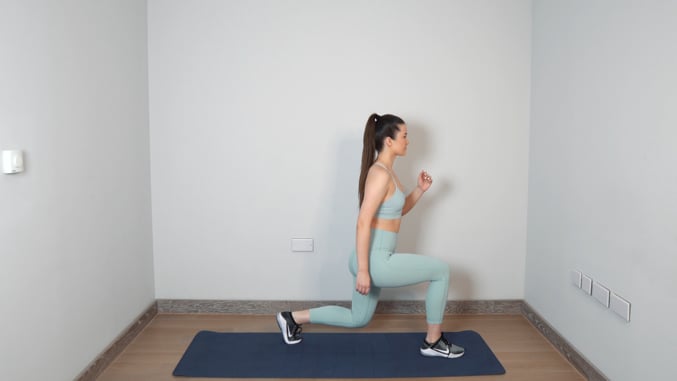
You can do lunges in many different ways. You can do this either with a barbell, or dumbbells, while walking around the gym, or from a stand-up position. Let's consider a variation where the athlete stands in a position using a barbell or dumbbell. This position is similar to the squat position with a barbell on your back. Take a step forward with your right foot. The lunge should make the thigh of the working leg to be parallel to the ground at the low point. Simultaneously, the knee of the left leg almost touches the floor, also forming a 90-degree angle. Back to the previous position. Change legs - take a step forward with your left leg.
Leg Press
The leg press takes as much of the work out of your back and hips as possible. At the same time, it allows you to train with a much heavier weight than a deep squat. In order to place the load on your quads, your feet should be shoulder-width apart while doing the leg press.
Just follow the right workout technique. Press your back and head firmly against the bench, with your legs almost completely straight and resting on the frame and your hands firmly gripping the handles. Bending the knees, form a straight angle between the thighs and calves. Lower the legs back to the previous position.
Single-Leg Squat
Make single-leg squats if you can't go to the gym to train with training machines. It is a perfect way to get your quads workout done. Because it allows you to load your legs without using extra weight. Start in a standing position, extending one leg slightly forward. While squatting down, extend the leg forward and straighten it. Get back to the previous position. Repeat at least 10 times for each leg.
Kick Squat
Standing with feet shoulder-width apart and toes slightly to the side, place your hands at your waist or cradle them in front of your chest. Focus on the center of your feet. Squat down horizontally at the hips, remembering to keep your back straight. Stand up shifting your weight to one side. Lift your knee to a horizontal position and make a kick with your foot. The kick should be done in one movement.
Squats With Fitness Ball
Position your feet a little wider than shoulder-width apart with your toes out to the sides at a 45-degree angle. Grasp the fitness ball, keeping a tense and natural bend at the waist, straight shoulders, and neck. Holding the exercise ball, raise your arms up to shoulder height. As you inhale, begin to bend your knees to your sides, making sure they don't stick out past your toes. Your hips should go down first. Your weight is on your heels. Bring your back slightly forward as you squat down and extend your arms to lift the exercise ball over your head. Perform 30-50 repetitions.
Final Thoughts
Every person dreams of having beautiful legs, and luckily, getting great quads isn't that hard if you know what to do. So why don't you try these exercises?
Read more
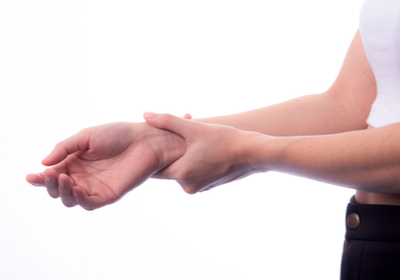
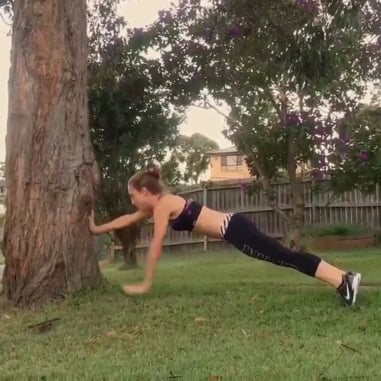
Believe it or not, wrist muscles are extremely important. In fact, developed wrist muscles allow you to correctly do such exercises as planks, push-ups, handstands, as well as various workouts with dumbbells. In other words, most sports require strong wrists, and if you want to succeed in gymnastics, martial arts, CrossFit, or climbing, you have to make sure you have strong wrist muscles. But how to achieve that? Let's talk about wrist muscles and how to develop them in more detail.
Why are wrist muscles so important?
Not many people know about the importance of wrist muscles, yet strong wrists are significant in fitness and many other sports. The thing is that developed wrists and joint mobility are significant for avoiding injuries. For example, such sports as tennis, volleyball, CrossFit, boxing, gymnastics, archery, basketball, canoe, and even bowling have a rather serious load on the hands and wrists. Therefore, one wrong move can cause significant damage to the muscles and tendons of your wrists and hands. At the same time, developed and stretched muscles lower the chances of getting severely injured or injured at all. So this is the main reason why working on wrist muscles is so important for pretty much everyone.
Do I need to develop wrist muscles if I don’t do any sports?
Of course, now many of you can come to the conclusion that they do not have to work on their wrists because they don’t do any sports or do those sports that do not require strong wrists. Well, this is, obviously, not true. Perhaps everybody needs to work on their wrists, especially people who work long hours on the computers. The thing is typing and mouse clicking is not particularly good for the health of our wrists because of the positions of our hands during those activities. Moreover, some people even struggle with carpal tunnel syndrome, which is often caused by typing. However, typing is not the only thing that can cause this syndrome. Pianists, guitarists, as well as other people whose work involves repetitive movements of the wrist, are in the risk group. Certainly, this is a rather unpleasant disease but you can lower the chances of getting it by regular exercising. So the answer to this question is: yes, you do need to work on your wrist muscles even though you don’t do any sports.
Best workouts for wrists
Now as we know how important it is to work on your wrist muscles, let us take a brief look at the best exercises for developing these muscles. So here they come:
Dumbbell rows
Holding dumbbells
Wrist stretching
Hand rotation with dumbbells
Tennis ball squeeze
These simple exercises will help you strengthen your wrists and hands and therefore help you maintain your wrist health, so make sure to give them a try.
Final thoughts
As you can see, strong wrists are not only important for athletes, but also for regular office workers, musicians, and pretty much everyone. So why don’t you start working on your wrists now?
Read more
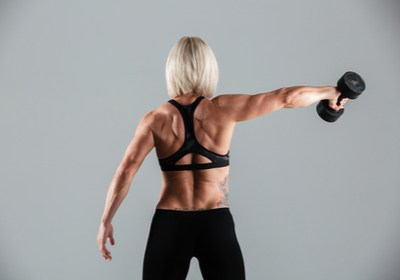
Upper back muscles are extremely important for the right posture, yet many people completely forget about these muscles while working out, which is a big mistake. So why are these muscles so important, and how to train them? These are the questions we will attempt to answer in this article.
What Is Upper Back?
The muscles of the upper back consist of two main parts, which are the trapezius and latissimus muscles. Apart from that, many experts also involve the back bundles of deltas in the upper back muscle group since they are involved in most workouts for the upper back muscles. At the same time, referring to these muscles as a part of the upper back is incorrect from the anatomical point of view.
The main function of the trapezius muscles is to provide the movement of the shoulder blades as well as make it possible to raise arms and lift objects. These muscles are also rather important for our posture as well as the ability to keep our back straight. At the same time, the latissimus muscles are located on both sides of the back. They resemble wings in shape and occupy almost the entire back area. These muscles are needed to pull the arms back as well as bring the shoulders to the body.
Why Do I Need to Develop My Upper Back?
So we have already figured out that the upper back muscles are responsible for the right posture as well as the ability to raise arms and lift objects, but who needs to work on their upper back? Well, a strong upper back is perhaps one of the main goals for everyone. In particular, among the people who need to work on their upper back are:
Office workers who work all day at the desk
Professional dancers and dance enthusiasts who need a strong back and perfect posture
Athletes who actively involve the neck, shoulder, and back muscles while doing their sports activities
Fitness enthusiasts and bodybuilders who strive to grow muscles and harmoniously develop all muscle groups
People who want to have a nice posture
So do you belong to any of these groups? We bet you do. So make sure to add at least a few upper back exercises into your workout routine.
Best Exercises for Upper Back
To wrap up, we would like to provide you with some useful workouts for your upper back, so without any further ado, here they come:
Reverse fly
Bent over barbell row
Barbell high rows
Single-arm dead stop row
T-pulls
TRX row
Upright row
Single-arm landmine row
Y-pulls
Face pull
Seated row
Hang clean
Renegade row
These simple exercises will help you develop your upper back muscles quickly and stress-free, so make sure to give them a try.
Wrapping Up
Developed upper back muscles are essential for the right posture as well as for avoiding injuries while doing other sports activities. So no matter if you are a professional athlete or not, you still need to work on these muscles.
Read more